An Ethical Approach to Intentional Storytelling
Language is a structural force that will either preserve or transform existing cultural norms—regardless of the writer’s awareness or good intentions.
Every storyteller carries an ethical responsibility to understand the real-world weight of the words, tropes, and framing choices they put into the world. While the explosion of digital publishing and social media gave millions of creators an instant megaphone without foundational training in media ethics, two practical tools keep the craft honest without flattening the fun: Intentional Storytelling and Inclusion Proofreading.
As explored in my TEDxUQ Talk and my essay on ethical media consumption, Problematic Offset: An Alternative to Cancel Culture?, Intentional Storytelling begins with clarity about the human truth to be conveyed and works outward to build an unforgettable, commercially propulsive story for the target audience.
On This Page
- Consultation Status & On-Demand Webinars
- The Listen More Podcast Archive
- From Podcast Mic to Page & Screen: How Lived Experience + Listen More Shape Psychological Depth
- Four-Step Ethical Consultation Protocol for Writers
Consultation Status & On-Demand Webinars
I am unavailable for one-on-one manuscript consultation or sensitivity-reading bookings, and after several extended periods of ill mental health, I maintain very limited availability for live keynotes, workshops, and social appearances so I can focus my energy on my novel and television slate.
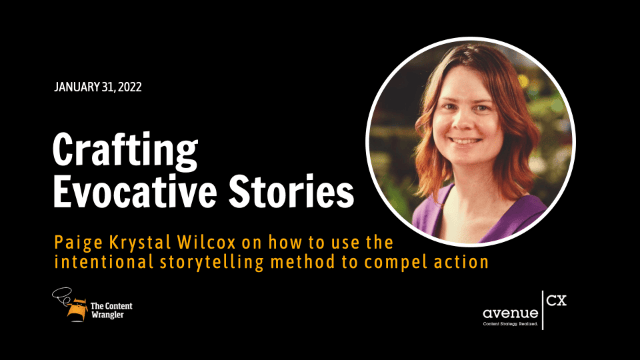
Writers, screenwriters, and narrative designers can dive straight into my methodology anytime via two free on-demand webinars:
The Listen More Podcast
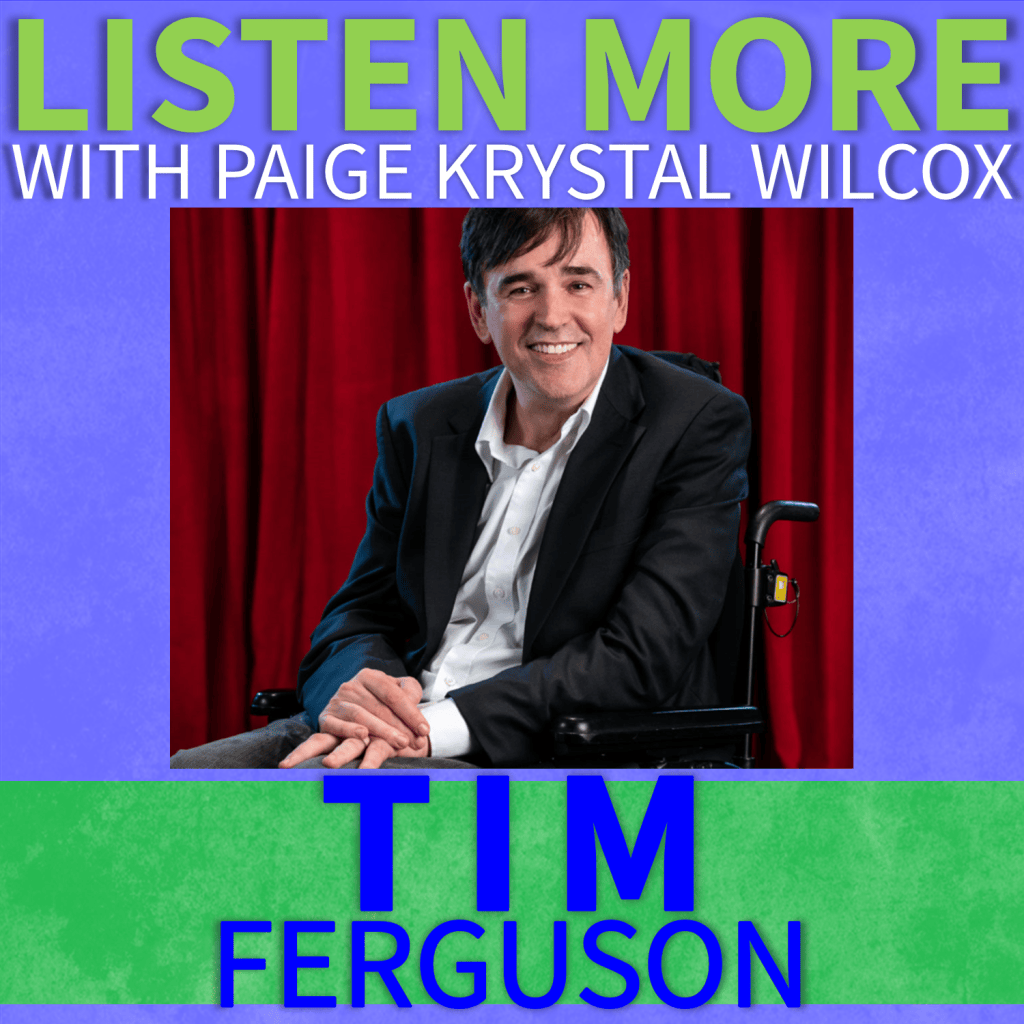
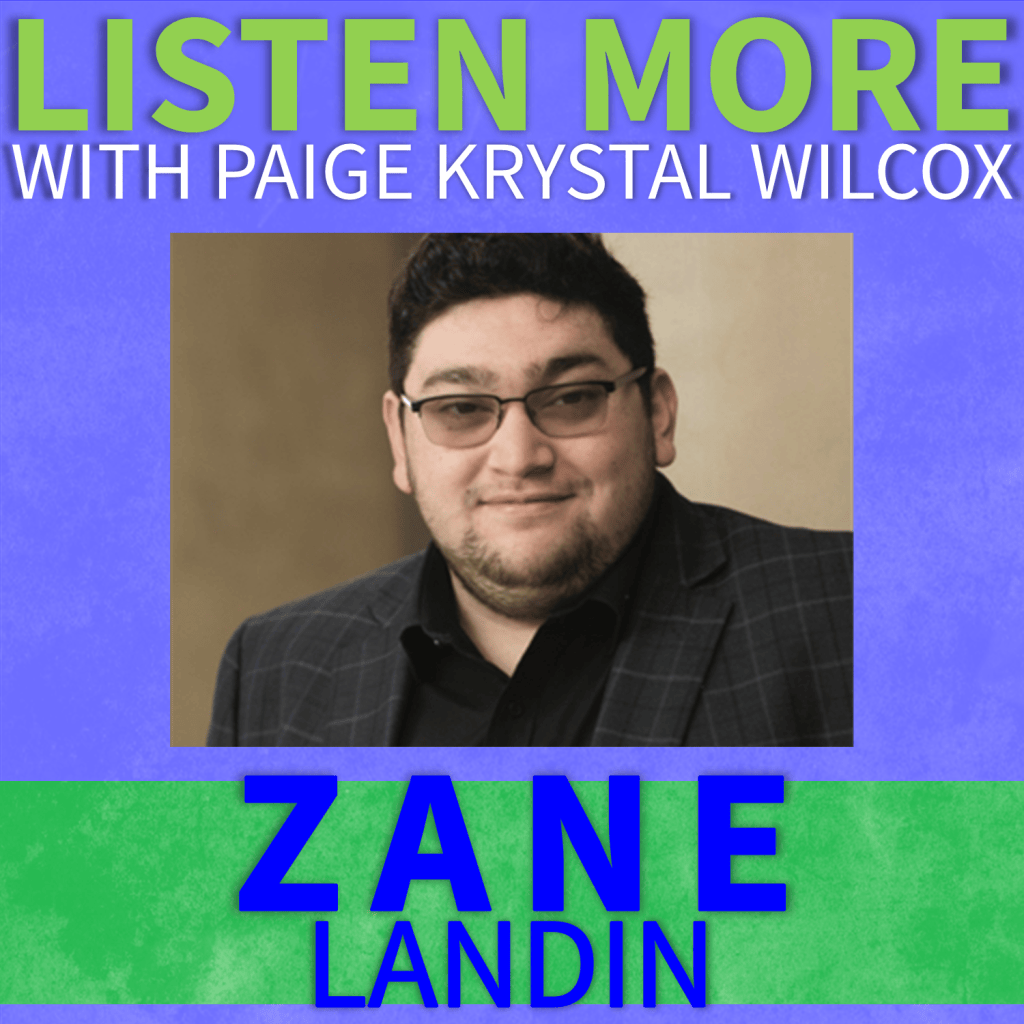
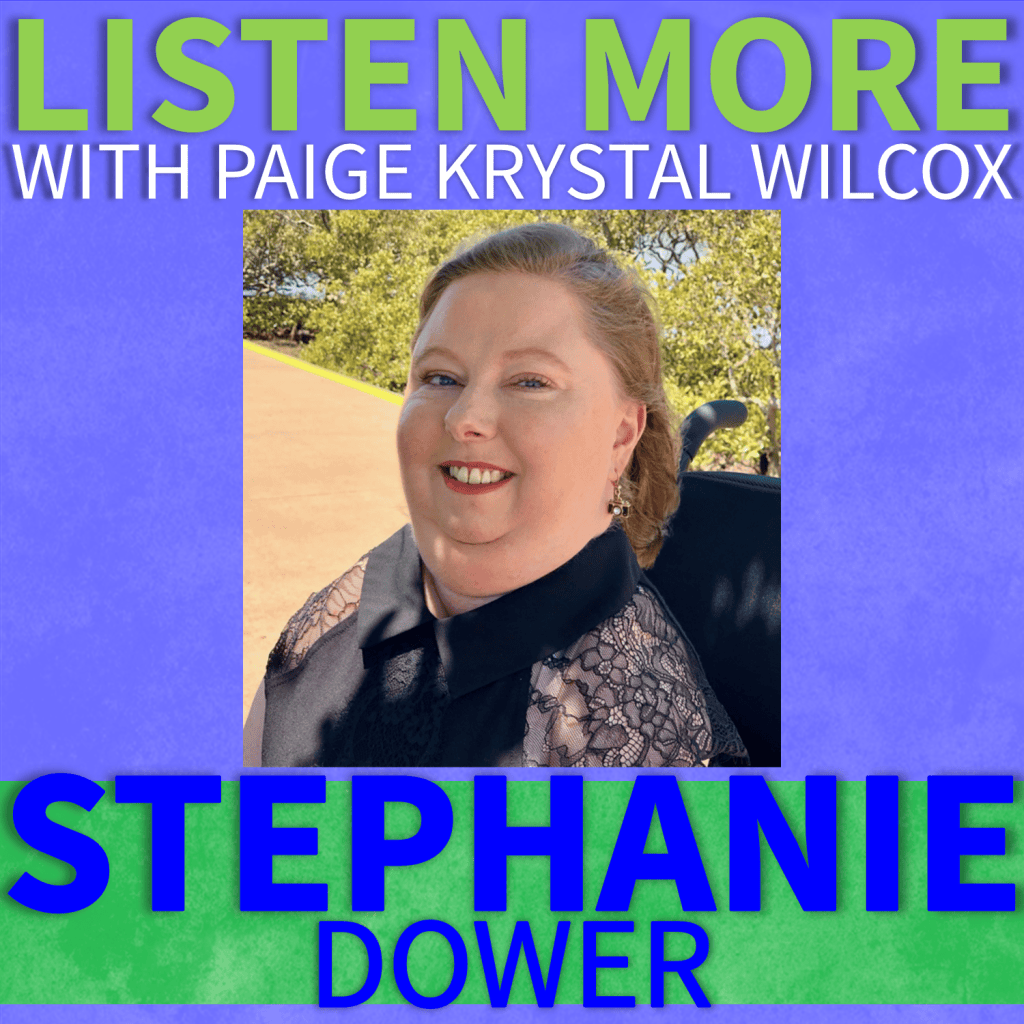
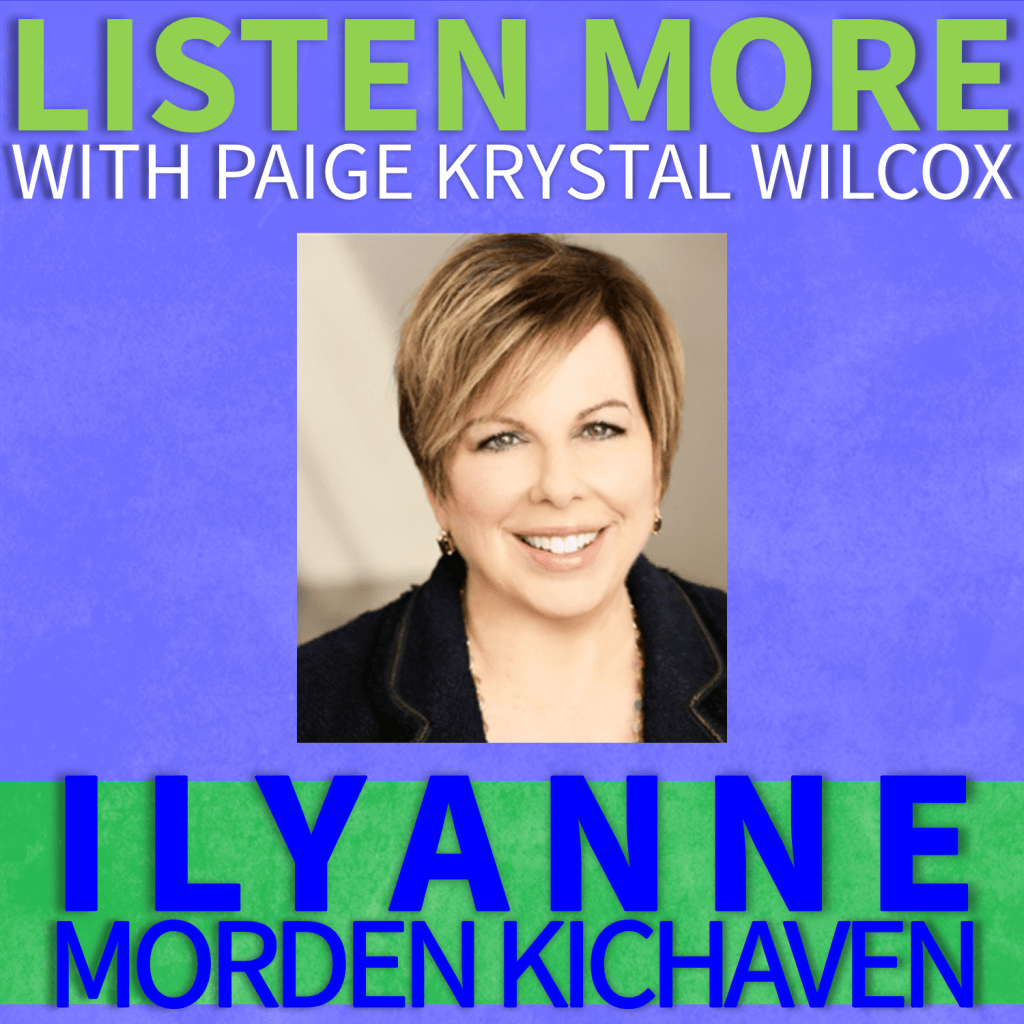
In Listen More, guests from around the globe sit down with me to share candidly what makes them cringe—and what they hunger to see more of—when writers create characters who share their lived experience.
Characters with Disability
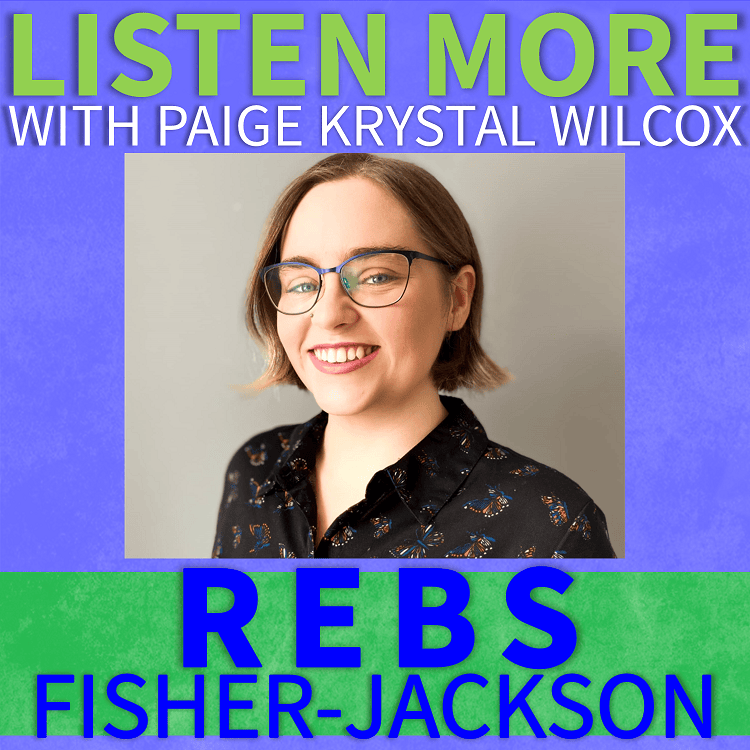
Character Sexuality
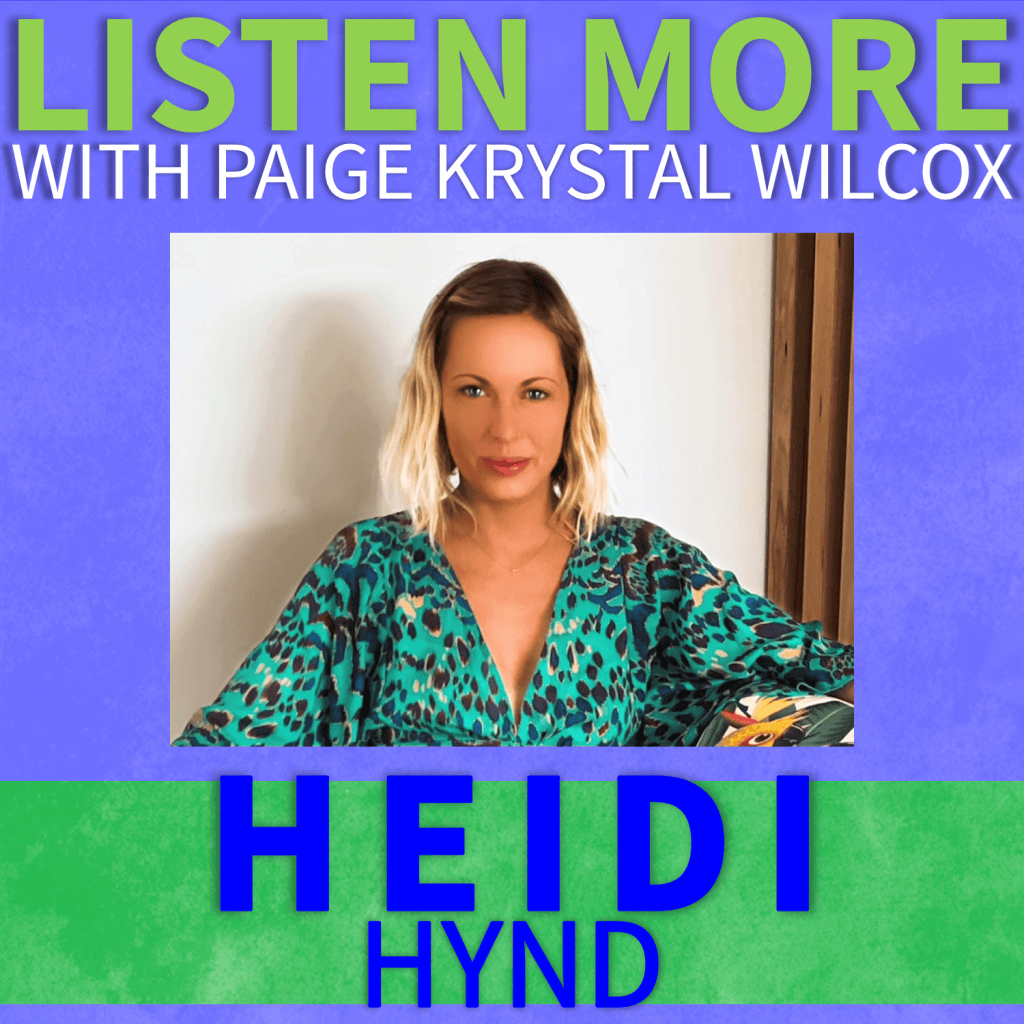
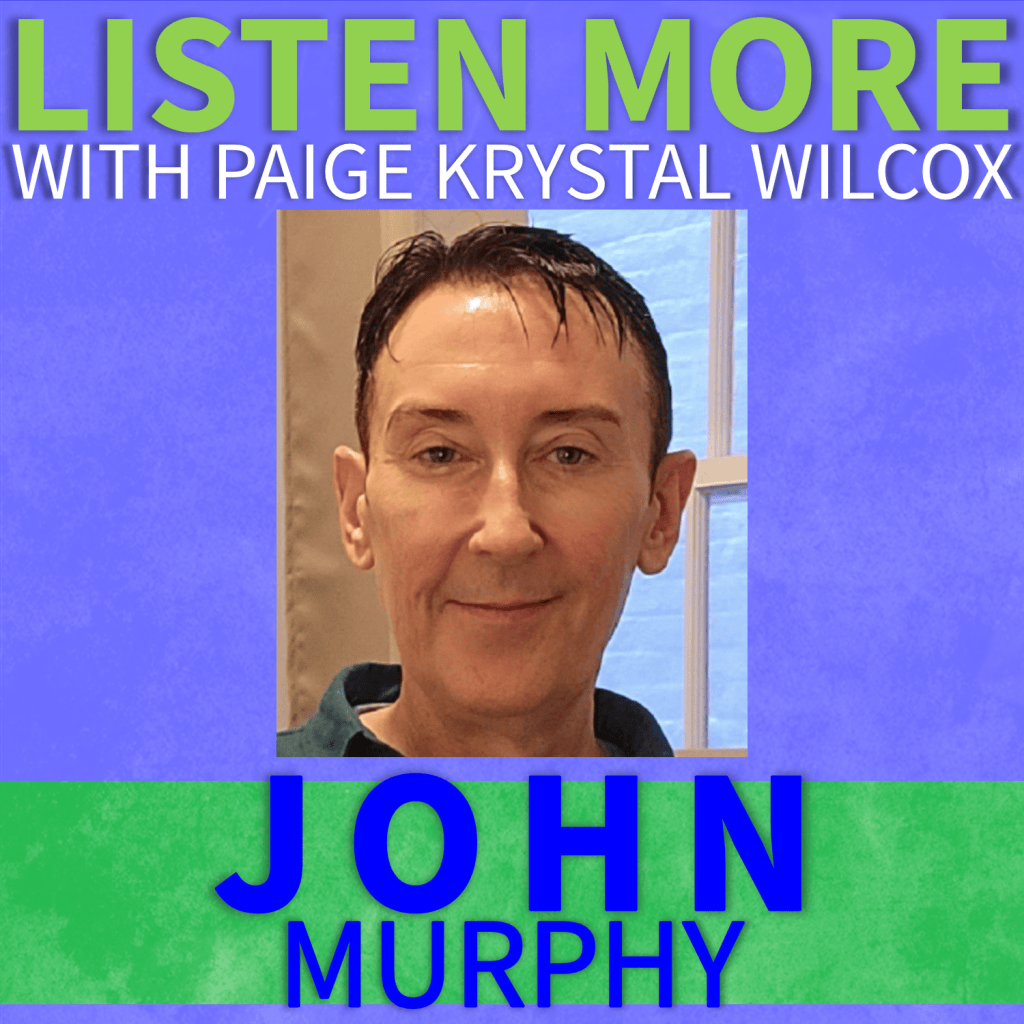
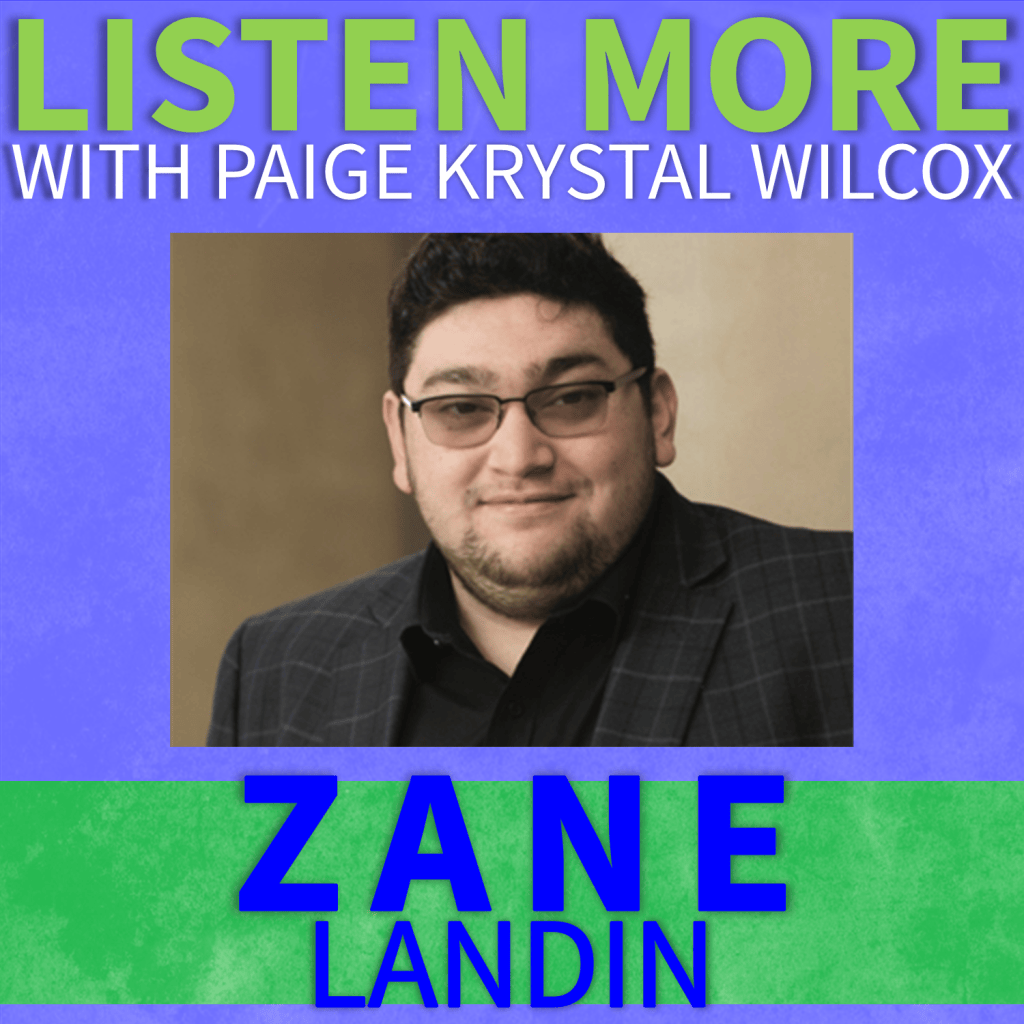
Cultural Depictions

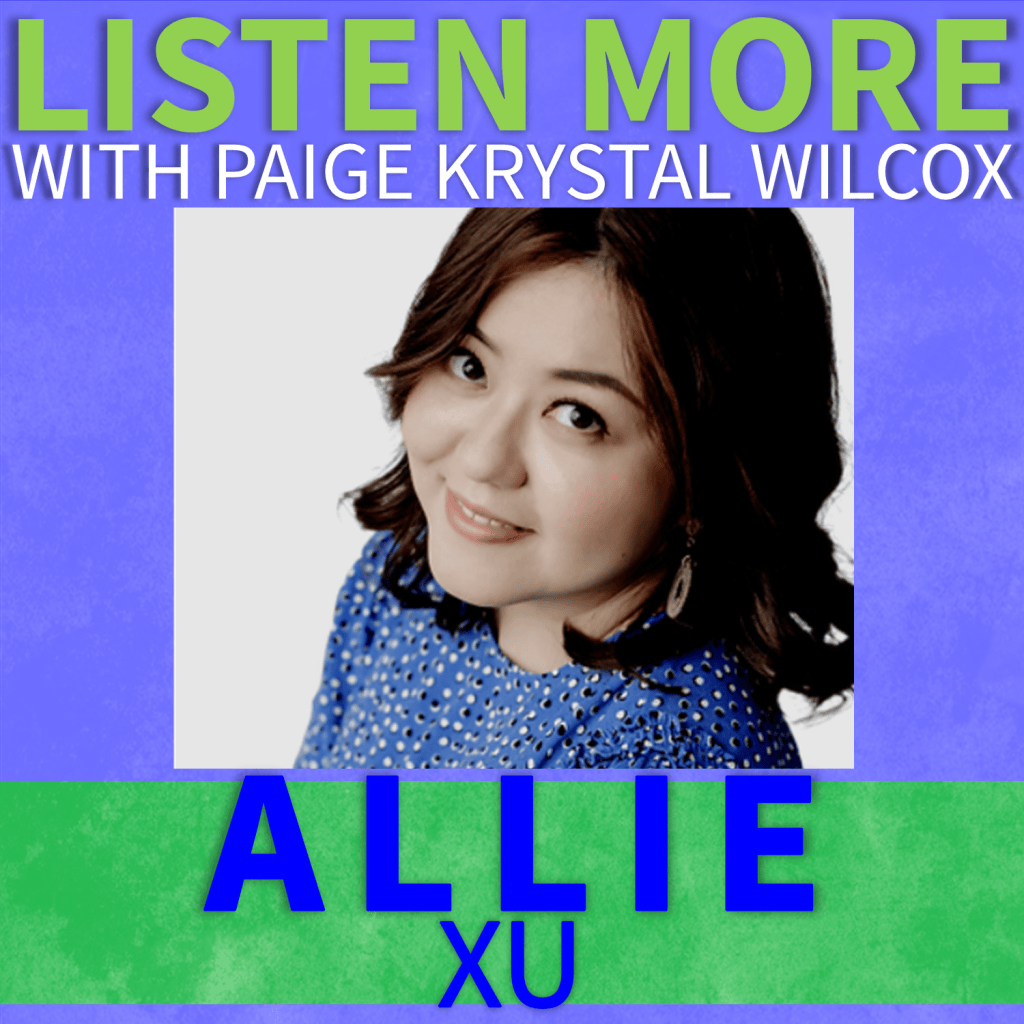
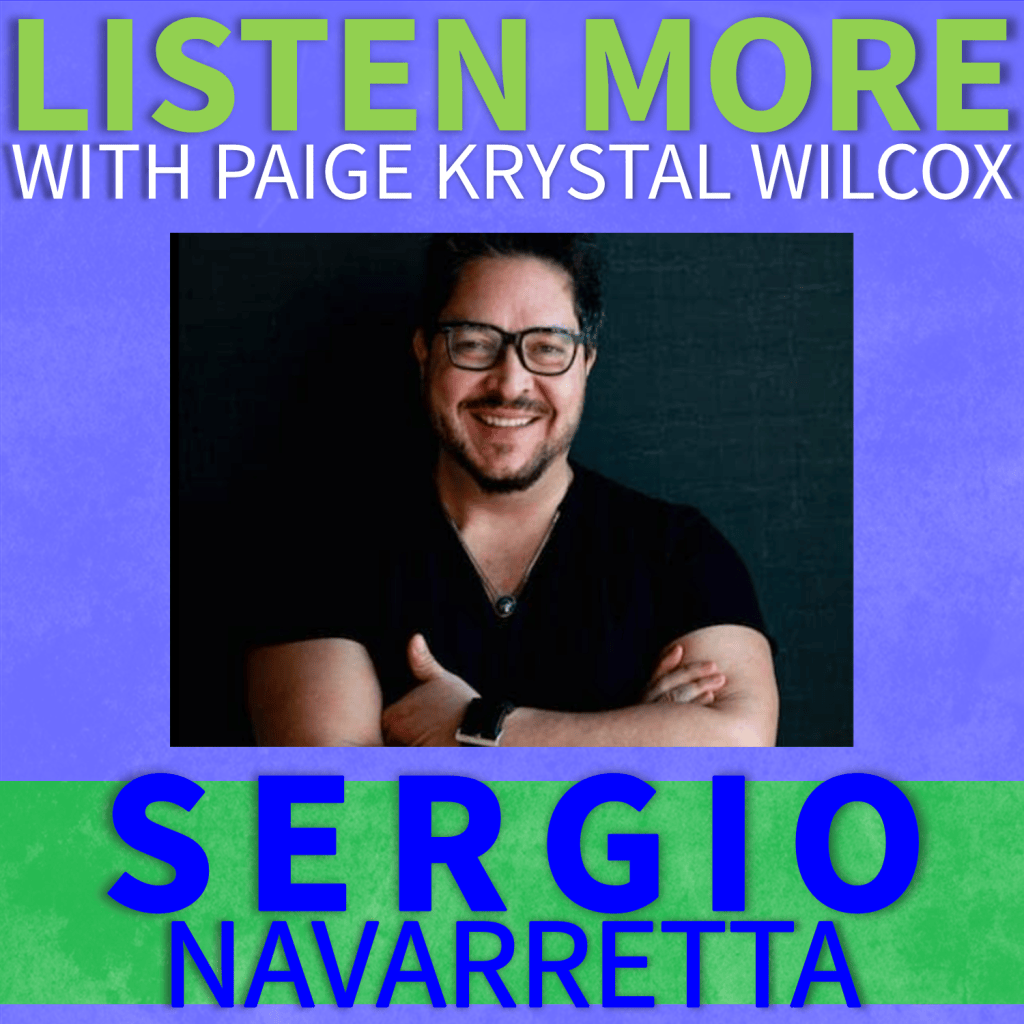
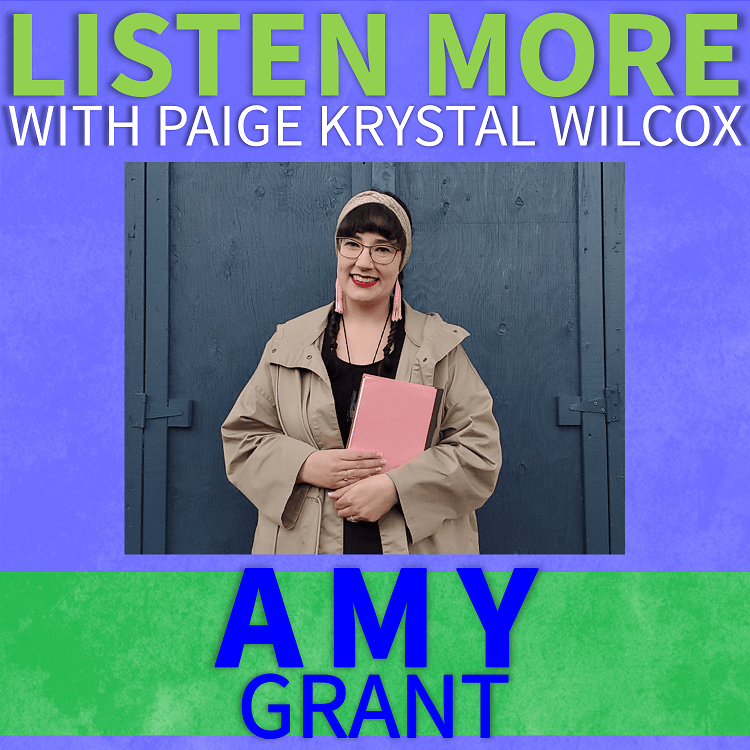
Religious Characters
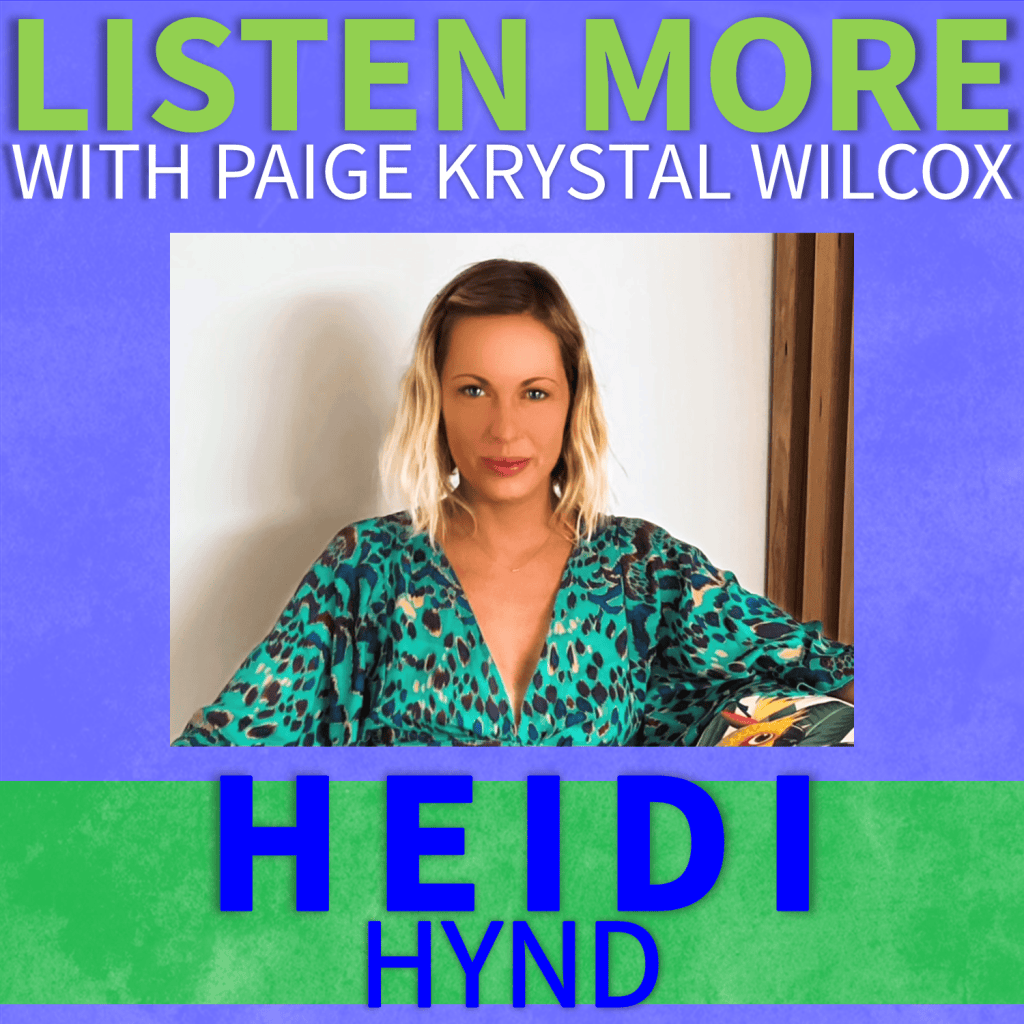
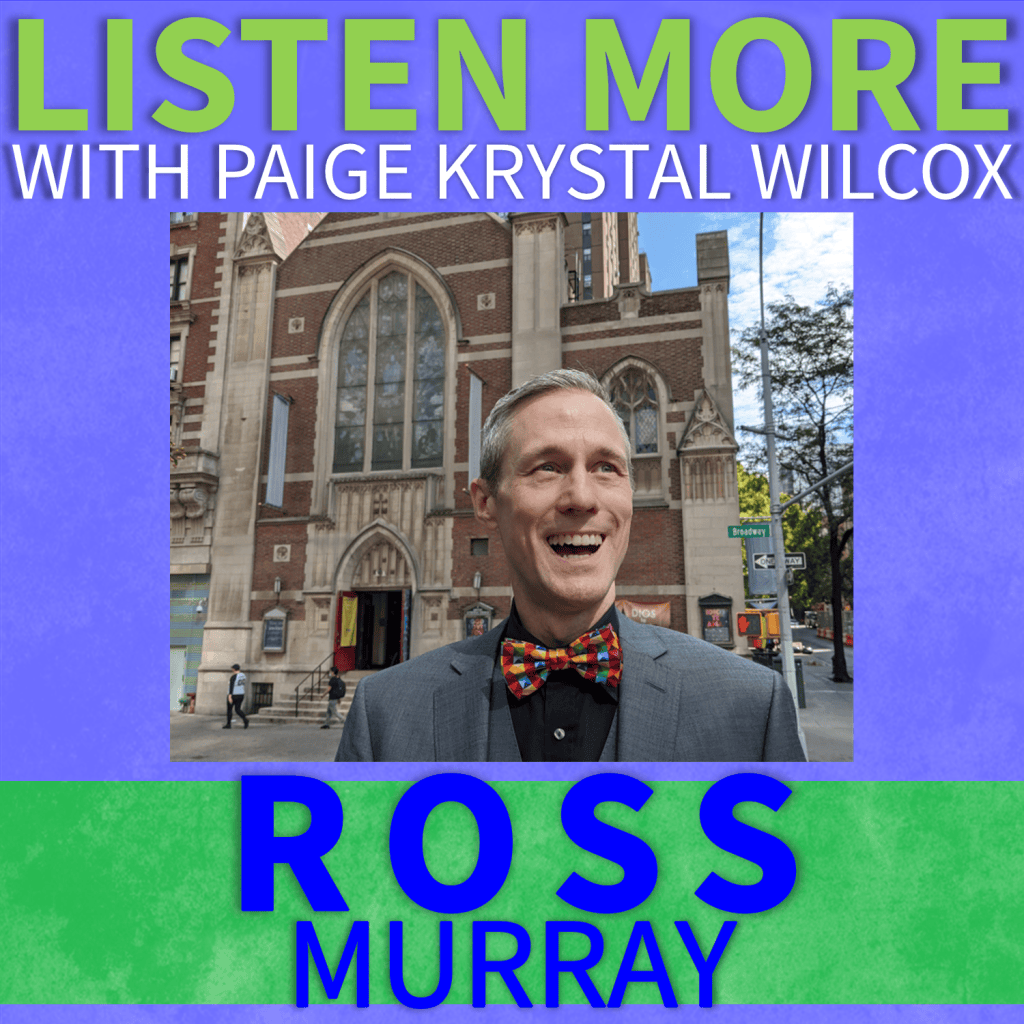
Industry Perspectives
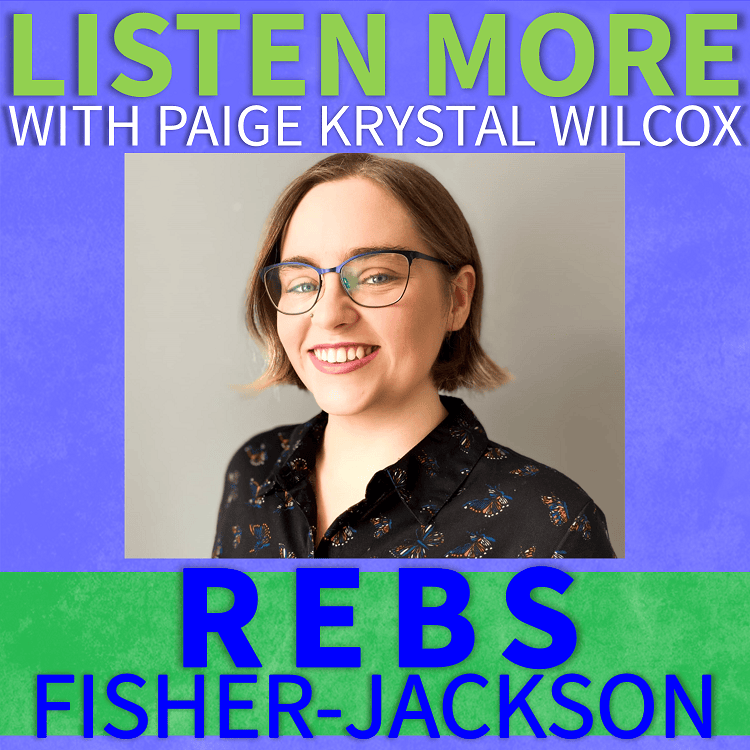
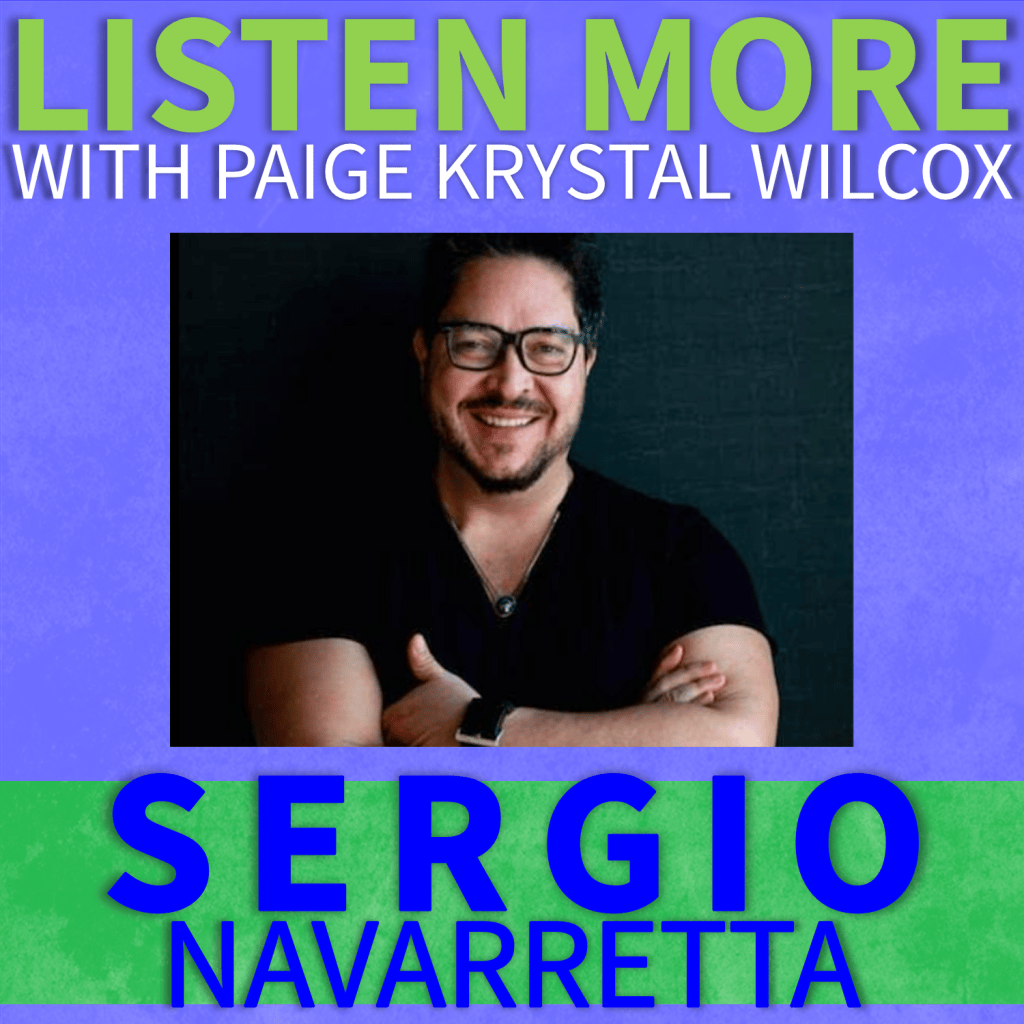
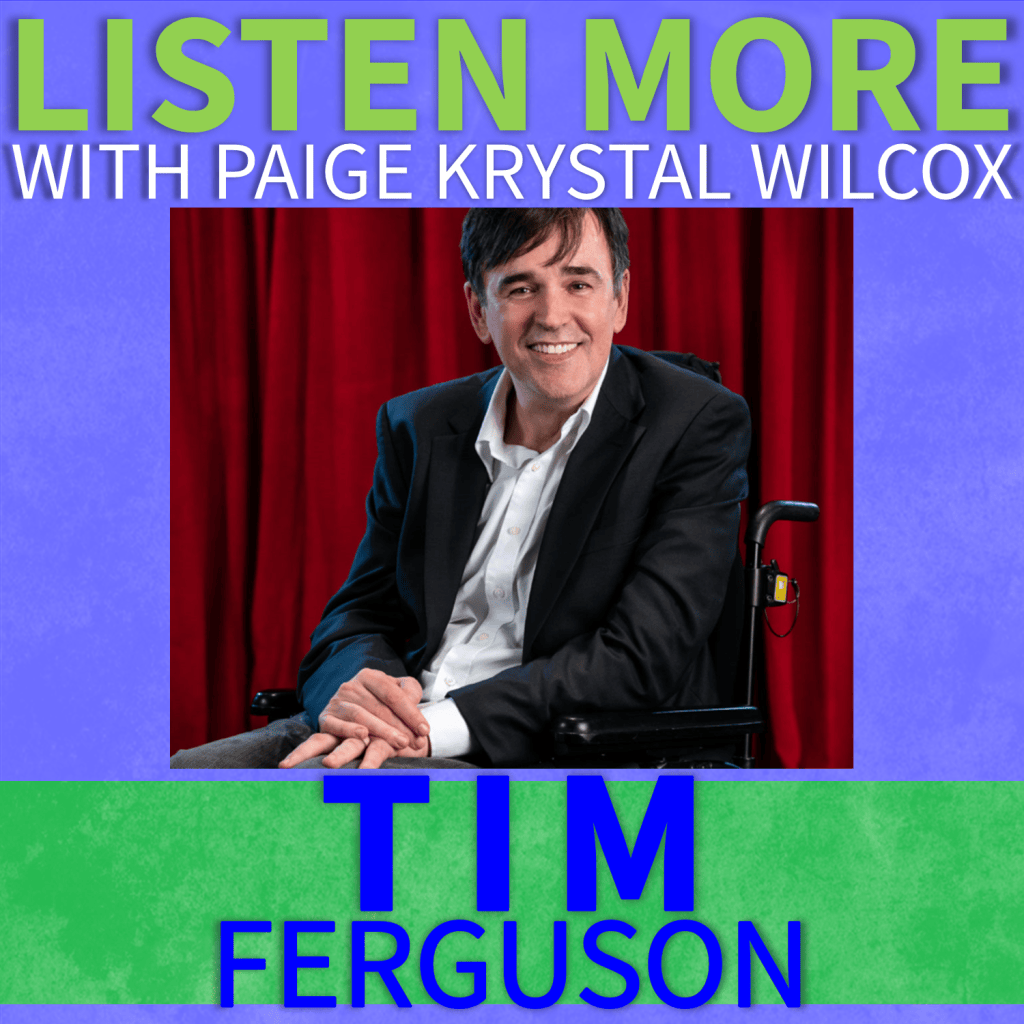
From Podcast Mic to Page & Screen: How Lived Experience + Listen More Shape Psychological Depth
Writers often fall into one of two traps: writing only carbon copies of themselves, or inventing diverse characters out of thin air using recycled media tropes. Across my novels and screenplays, character psychology is built by locking two distinct creative engines together:
1. Lived & Clinical-Education Interiority (What Lives Under the Skin)
My own history—growing up in conservative regional Queensland church communities where my five-year-old mind split consciousness from “Outer Shell,” training in film, television, and theatre acting, working nearly two decades inside hospital-based medical education, getting sober, and navigating the world as a neurodivergent woman—gives me direct somatic blueprints for how masking, hypervigilance, executive friction, and minority stress actually feel in a human nervous system.
When fictional protagonist Bailey Maguire (who is late-diagnosed AuDHD) lines up books strictly by spine height or crunches emergency handbag almonds in The Dolls of Brisbane—a project I have been working on off and on since 2016—or when the narrator of My Life Most Memoirable coaches medical students through clinical blind spots, those beats come straight from lived scar tissue.
2. Structured Global Listening via Listen More (Preventing Monoliths)
Lived experience only makes you an authority on one life (#NotAllTrans). Sitting behind the Listen More microphone with guests across disability, diaspora cultures, faith backgrounds, sexualities, and screen production directly shapes how I construct ensembles beyond my own intersections:
- Interrogating “Inspiration Porn” in Disability (Characters with Disability): Listening to disabled guests dismantle the patronising “angelic survivor” trope directly informed Joy Ferrous in Regina v Bride—a charismatic manual wheelchair user who commands his kitchen like an athlete, possesses real romantic agency, carries complex grief from Mumbai, and refuses to remain a passive prop inside his wife’s fortress—as well as accessible Soundstage One production blocking for senior colourist Samira in The Dolls of Brisbane.
- Honouring Intersectional Lineage & Diaspora Nuance (Cultural Depictions): Centering cultural specificity rather than generic catch-alls anchors Ashwin and Joy’s sensory connection to Mumbai in Regina v Bride, John Smith’s quiet “Outsider” academic pressure in Before We Pulled The Trigger, and Chantelle Mensah schooling Bailey in The Dolls of Brisbane on how Black and Latina trans women in 1980s Harlem ballrooms forged “the dolls” as handcrafted solidarity rather than hollow plastic.
- Writing People of Faith Without Straw-Man Villains (Religious Characters): Conversations with religious guests reinforce that even deeply painful family orthodoxy is driven by recognisable human fear, belonging, and community-optics anxiety—allowing church or rural traditionalist parents in my fiction to behave with heartbreaking, specific psychological realism rather than cartoon malice.
- Subverting Industry & Sexuality Binaries (Character Sexuality & Industry Perspectives): From sapiosexual connection in Before We Pulled The Trigger to skewering corporate diversity quotas and cisgender stunt-casting in The Dolls of Brisbane, industry listening turns systemic friction into sharp dramatic stakes.
Explore Full Character & Screen Case Studies:
- Character Psychology: Literary & Screen Industry Hub (For Screen & Publishing Professionals)
- Character Psychology: Clinical, Educational & Advocacy Hub (For Clinicians & Advocates)
Practical Protocol: Four Steps for Writing Outside Your Lived Experience
If you are writing a significant fictional character whose lived experience differs from your own, commit to having paid or mutually agreed, structured conversations with at least three different people who hold that lived experience—because no single individual speaks for an entire community.
Step 1: Do Your Foundational Homework First
Community organisations have already spent thousands of hours compiling free, plain-English media guides so marginalised people don’t have to explain basic definitions for the ten-thousandth time. For example, the GLAAD Media Reference Guide covers foundational LGBTQIA+ terminology, nuances, and reductive tropes to avoid. Never enter an interview without first educating yourself on what may be invasive, outdated, or re-traumatising to ask.
Step 2: Post a Clear, Opt-In Callout
Once you have done your homework, post a transparent, respectful callout on social media or through community networks explaining your project, time commitment, and how contributors will be thanked or compensated so people can opt in on their own terms. Never cold-ambush an acquaintance, colleague, or stranger simply because you assume they hold relevant lived experience.
Step 3: Choose a Safe, Private Setting
Conduct the conversation in a quiet, private environment—whether an unhurried video call without onlookers or a private room chosen by your interviewee—where they never have to worry about strangers eavesdropping on personal disclosures at the next café table.
Step 4: Limit Yourself to Two Open Questions—Then Listen
Resist the urge to pitch your plot twists for rubber-stamp absolution. Instead, anchor the session around two open, non-leading questions and allow your interviewee to steer where the conversation goes:
- “What bothers you about how characters with similar lived experience to you are represented in media?”
- “What would you like to see more of in characters who share similar lived experience to you?”
- Select Guild, University, or Screen Industry Enquiries: email@paigekrystalwilcox.com (Please note: Availability for live workshops and speaking engagements is very limited.)
Share This Page:
Acknowledgement of Country: Paige Krystal Wilcox lives, writes, and rides fifty-cent CityCats on the unceded ancestral lands and waters of the Turrbal and Jagera peoples in Meanjin (Brisbane). Sovereignty was never ceded; storytelling on this continent begins long before us.
Direct Enquiries (Rights, Screen Packaging, Speaking, & Press): email@paigekrystalwilcox.com
Connect & Book: LinkedIn | IMDb Profile & Press Photos | Watch TEDxUQ Talk
Copyright: © Paige Krystal Wilcox (P. K. Wilcox). All rights reserved.


You must be logged in to post a comment.